


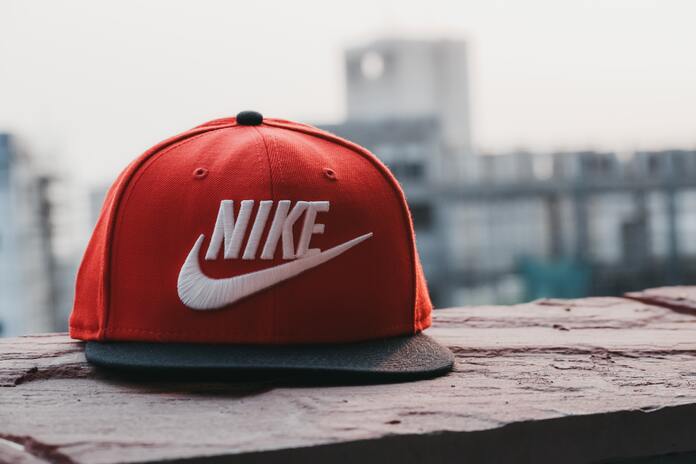
As Nike Inc. (NYSE:NKE) enters fiscal 2026, the company faces an increasingly complex landscape marked by slowing demand, rising costs, and mounting Nike tariff challenges. Despite these pressures, management insists that its turnaround strategy remains intact, supported by sport-led innovation and a more focused organizational structure. Early signs of improvement in running, wholesale partnerships, and product execution offer reasons for cautious optimism, even as tariffs weigh heavily on near-term results.
Nike’s transition to its Sport Offense model and its “Win Now” strategic playbook reflect a renewed effort to strengthen product pipelines, improve distribution discipline, and restore brand heat. The latest quarter highlighted double-digit improvements in running—up more than 20% year over year—and renewed momentum from wholesale partners, signaling that consumers remain highly responsive to Nike’s innovation when effectively executed.
Tariff Pressures Create Major Margin Headwinds
Among the company’s most pressing challenges are the escalating Nike tariff challenges, which now represent a severe margin threat. Recently implemented reciprocal tariffs are expected to carry an annualized cost of roughly $1.5 billion, significantly higher than previously estimated. For fiscal 2026, these tariffs translate into a 120-basis-point hit to gross margins, a substantial drag for any global apparel retailer.
Nike aims to mitigate these impacts through several levers:
-
Supply-chain efficiencies
-
Pricing mix improvements
-
Marketplace rationalization and segmentation
-
Stricter inventory discipline
While these initiatives are underway, management cautioned that the tariff burden will continue to weigh on profitability until mitigation efforts fully phase in. Compounding the issue are higher product costs, mix-related headwinds, and selective discounting needed to maintain strong relationships with retail partners. Nike Digital has scaled back promotions to protect brand equity, but this pullback has also reduced traffic and short-term revenue visibility.
Innovation and Wholesale Momentum Provide a Silver Lining
Despite these Nike tariff challenges, the company remains confident in its long-term growth trajectory. Management is leaning aggressively into sport-led innovation, emphasizing developments across running, basketball, global football, and emerging lifestyle-sport hybrid categories. This product-first approach is supported by a tighter alignment between Nike’s wholesale and direct channels—a key shift aimed at improving global marketplace execution.
Encouragingly, wholesale partners have already increased their spring order books, demonstrating renewed confidence in Nike’s direction. This early momentum suggests that while tariffs and uneven regional performance may limit upside in fiscal 2026, the brand’s disciplined focus on innovation and consumer experience could lay the groundwork for a stronger acceleration once macro and policy pressures ease.
How Peers Are Managing Their Own Tariff Headwinds
Nike is not alone in navigating tariff-driven volatility. Competitors like Steven Madden Ltd. (NASDAQ:SHOO) and Wolverine Worldwide Inc. (NYSE:WWW) are also adjusting strategies to withstand these industry-wide pressures.
Steven Madden (NASDAQ:SHOO)
Steven Madden faces sharp China tariff impacts that have pressured wholesale orders and margins. Management is responding with diversified sourcing, strategic price increases, and strong fashion execution, particularly in core styles like boots. Direct-to-consumer strength and ongoing momentum in the Kurt Geiger brand have helped cushion the revenue impact. These adjustments position SHOO for gradual stabilization despite ongoing macro uncertainty.
Wolverine Worldwide (NYSE:WWW)
Wolverine continues to manage elevated landed costs tied to tariffs, but the company is leaning on brand strength, operational discipline, and ongoing portfolio simplification. Price increases, supply-chain diversification, and tighter inventory management are helping offset cost inflation. Although wholesale demand remains volatile, progress in key franchises and efficiency gains suggest a slow but steady path toward stabilization.
Nike’s Stock Performance, Valuation, and Estimates
Shares of Nike have fallen 13.8% over the past three months, slightly underperforming the industry’s decline of 12.8%. From a valuation standpoint, Nike trades at a forward P/E of 31.02x, above the industry average of 27.39x, reflecting investors’ willingness to pay a premium for the brand despite ongoing earnings pressure.
The Zacks Consensus Estimate for fiscal 2026 earnings predicts a 24.1% decline, driven primarily by margin compression from Nike tariff challenges. However, analysts expect a sharp rebound in fiscal 2027, with projected earnings growth of 54.2%. Notably, fiscal 2026 estimates have trended downward over the past month, while fiscal 2027 estimates have moved upward, suggesting confidence in Nike’s longer-term recovery once tariff mitigation and product cycles normalize.
Bottom Line
Nike enters fiscal 2026 at a crossroads. The company must navigate substantial Nike tariff challenges, slowing demand, and uneven regional recovery while executing a complex business transformation. Yet its renewed commitment to innovation, strengthened wholesale partnerships, and strategic marketplace discipline provide a foundation for long-term growth. If mitigation efforts succeed and demand stabilizes, Nike could emerge from this turbulent period more competitive, more focused, and well-positioned for a powerful rebound.
Featured Image: Unsplash