

Nike (NASDAQ:NKE) has been under pressure in 2025, with shares sliding after repeated investor disappointments. Over the last 52 weeks, Nike stock fell roughly 14%, lagging behind many peers. However, optimism briefly returned at the end of the year when significant insider buying signaled renewed confidence in the company’s future.
Insider Buying Highlights Confidence
Late in December 2025, Nike CEO Elliott Hill purchased approximately 16,400 shares in a transaction worth around $1 million, raising his personal stake by more than 7%. Apple (NASDAQ:AAPL) CEO Tim Cook, also a Nike director, acquired 50,000 shares, boosting his stake by 90%. Additionally, board member Robert Holmes Swan added roughly 8,700 shares, expanding his holding by 24%.
These insider transactions arrive after a tough period for investors. Over the past three years, NKE stock has lost nearly 50% of its value, affected by slower demand in China and tariff-related headwinds. Yet insiders’ moves suggest confidence in Nike’s long-term growth prospects.
Understanding Nike Stock
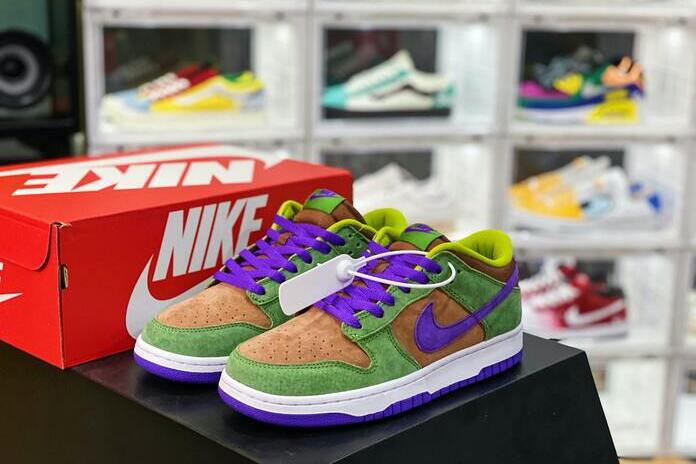
Headquartered in Beaverton, Oregon, Nike began as Blue Ribbon Sports, distributing Japanese Onitsuka Tiger sneakers before evolving into a global athletic powerhouse. Today, Nike designs, markets, and distributes footwear, apparel, equipment, and accessories across multiple sports and fitness categories worldwide.
Nike’s market capitalization stands around $93.5 billion, but scale hasn’t shielded NKE stock from declines. Shares have dropped 17% over the past six months and 15% in the last three months. From a valuation perspective, NKE trades at 40.5 times forward earnings and 2 times sales, both above industry averages, signaling premium pricing.
Nike remains committed to rewarding shareholders. The company has increased its dividend for 24 consecutive years and pays $1.64 annually, yielding 2.57%. The most recent $0.41 dividend was payable to shareholders of record as of Dec. 1, 2025.
Nike’s Latest Earnings
On Dec. 18, 2025, Nike reported fiscal 2026 second-quarter results that mixed revenue growth with profitability challenges. Revenue rose slightly to $12.4 billion, above the analyst estimate of $12.22 billion. EPS fell 32% to $0.53 but surpassed the Street’s $0.38 expectation.
Investors were more concerned about declining gross margins, which fell 300 basis points to 40.6% due to tariffs in North America. Revenue in Greater China dropped 16% year-over-year, highlighting international headwinds, while North American sales rose 9%, showing strength at home but failing to offset global weakness.
Nike’s management outlined a recovery plan focusing on product innovation, operational efficiency, and its “sport offense” strategy. Executives warned that results will vary by region and brand, signaling gradual progress rather than a rapid turnaround.
Analyst Outlook for NKE Stock
Looking ahead, analysts anticipate a decline in fiscal 2026 third-quarter EPS of 33% to $0.36, with full-year earnings expected to drop 28% to $1.57. A rebound is projected in fiscal 2027, with EPS estimated to surge 56% to $2.43.
Guggenheim has rated NKE stock a “Buy” with a $77 price target, noting that while retail remains challenged, the holiday season showed revived demand and tariffs have been manageable. Overall, Wall Street assigns NKE stock a “Moderate Buy” rating. Of 35 analysts covering the stock, 17 rate it a “Strong Buy,” 4 a “Moderate Buy,” 12 a “Hold,” and 2 a “Strong Sell.”
The average price target of $76.60 suggests a potential gain of 22%, while the highest target of $120 indicates upside of roughly 90% from current levels. Insider buying and these projections have reignited investor interest in Nike stock.
Should Investors Follow Insider Moves?
Insider purchases often signal confidence in a company’s prospects, but investors should weigh risks carefully. While CEO Elliott Hill and other directors are betting on Nike’s recovery, challenges like tariffs and slowing international growth remain. For those seeking long-term growth, Nike stock insider buying could be an encouraging sign—but careful analysis and patience are essential.
Featured Image: Pexels